

Russell Bewsell
28-02-2026
Speech to Text Software
How Speech-to-Text Software Works and Which Option Is Best
Speech-to-text software converts spoken words into written text, helping users create documents, emails, reports and notes much faster than typing.
Today, there are several different ways to use speech recognition. Some people prefer a traditional desktop dictation program with advanced commands and offline capability. Others want a newer cloud-based option that is faster to set up, easier to use, more flexible across languages, and more up to date with AI features.
In this guide, we explain how speech-to-text software works, the difference between desktop and cloud-based dictation, and which option may be best for business, accessibility, legal, medical and everyday professional use in Australia.
You can browse our full range of speech-to-text software here.
How Does Speech-to-Text Software Work?
At a basic level, speech-to-text software captures your voice through a microphone, analyses the audio, identifies words and phrases, and converts them into written text on screen.
Modern speech recognition software does far more than just match sounds to words. It also uses language models, context, formatting rules and AI-based processing to improve accuracy, readability and speed.
This means today’s systems can often handle automatic punctuation, cleaner formatting and more natural dictation with far less effort from the user than older voice typing tools.
The result is simple: instead of typing emails, letters, reports, case notes or documents manually, you can speak naturally and let the software turn your words into text.
If you want to compare the main options available, browse our speech-to-text software range.

Desktop vs Cloud Speech-to-Text Software
There are now two main types of speech-to-text software: traditional desktop dictation software and newer cloud-based speech recognition platforms.
Traditional desktop software is often preferred by users who want a more established dictation workflow, strong voice control features, offline capability and advanced customisation.
Cloud-based speech recognition software is often a better fit for users who want faster setup, simpler day-to-day use, broader language support and more modern AI-powered features.
For many new users, the difference comes down to workflow. Some people want deep control over their PC, custom commands and advanced vocabulary management. Others simply want to get text down quickly, accurately and with as little friction as possible.
If you want a more traditional desktop dictation experience, take a look at Dragon software. If you want to compare a broader range of options, browse our speech-to-text software collection.
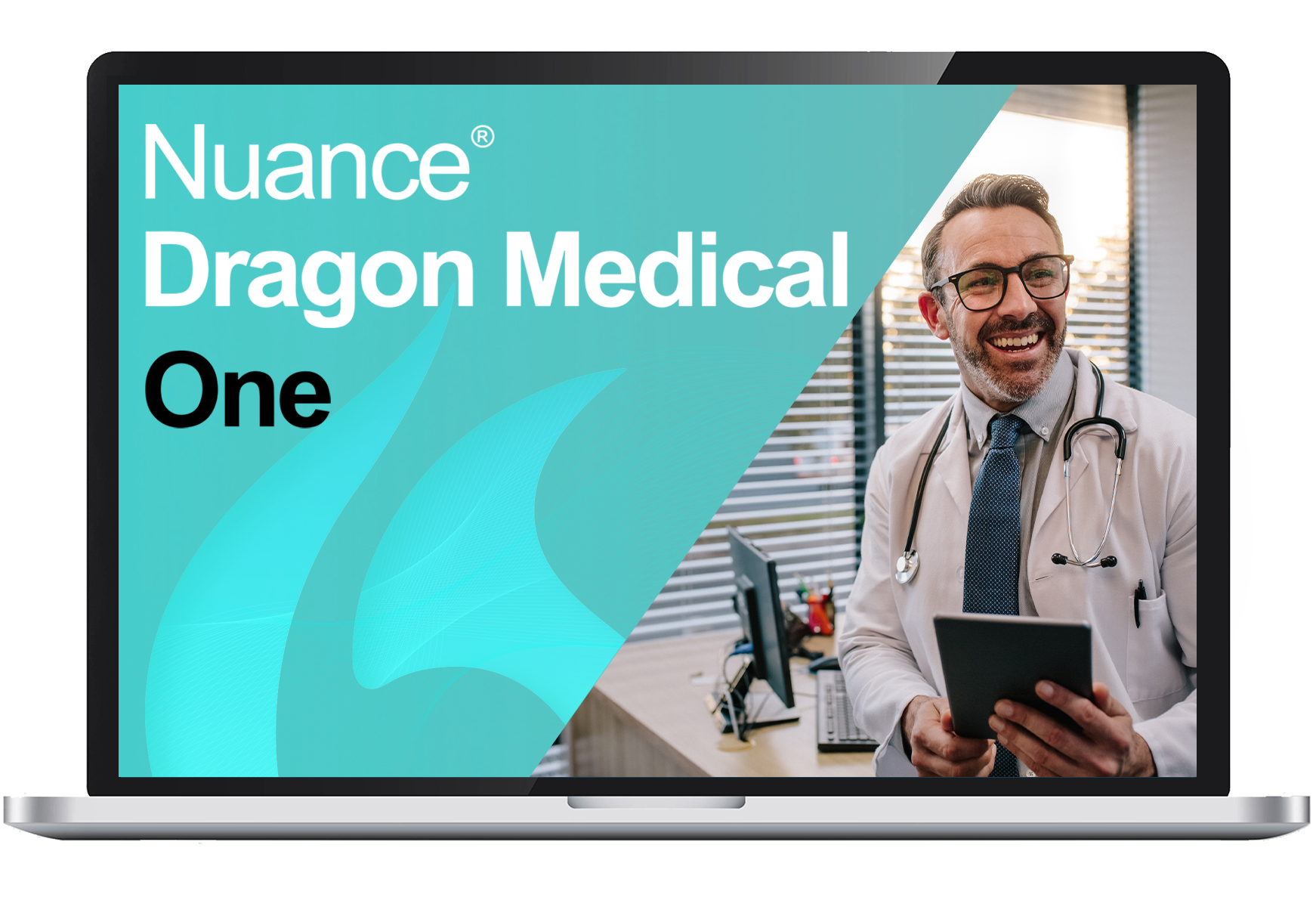
Dragon Medical One: Trusted Cloud Speech Recognition for Healthcare
Dragon Medical One remains one of the best-known medical speech recognition solutions for healthcare professionals who need fast, accurate clinical dictation in a trusted cloud-based environment.
It is widely used in healthcare settings because it offers strong medical vocabulary, supports clinical documentation workflows, and is backed by Microsoft Azure cloud infrastructure. For hospitals, larger practices and government environments, that level of trust and familiarity is a major advantage.
Dragon Medical One is particularly well suited to doctors, specialists and healthcare organisations that want an enterprise-grade cloud dictation platform with proven performance and strong adoption across the medical sector.
For non-medical users, or for people who want offline speech recognition, deep Windows control, accessibility support, advanced custom commands and detailed vocabulary management, Dragon Professional is still a very strong option.
In other words, Dragon Medical One is the leading choice for many clinical environments, while Dragon Professional remains the better fit for users who need broader desktop control and offline capability outside the healthcare setting.
Speech Recognition Cloud: A Modern Alternative for Most Users
For many people, the goal is straightforward: they want to get text down quickly, accurately and with as little setup as possible. That is where Speech Recognition Cloud stands out.
Speech Recognition Cloud was created as a modern alternative for users who do not need all the advanced legacy-style features of Dragon but still want highly accurate speech-to-text software with a simpler experience, a lower-cost starting point and more up-to-date AI features.
It is especially well suited to newer speech recognition users, business users, students and professionals who mainly want fast dictation, automatic punctuation, automatic formatting and a more natural workflow.
Another major advantage is flexibility. Speech Recognition Cloud includes iPhone and Android apps that can act as a wireless remote microphone for a Windows PC, which is especially useful if you do not have a high-quality desktop microphone or want to dictate more comfortably away from your desk.
It can also capture speech on mobile and send it back to the active Windows PC as text, making it a practical option for users who move between locations or want a more mobile-friendly dictation workflow.
With support for 57 languages, modern AI-assisted features and a user-friendly cloud-based approach, Speech Recognition Cloud is often the better fit for people who want accurate speech-to-text without the complexity of a traditional power-user dictation system.

Which Speech-to-Text Software Is Right for You?
The best speech-to-text software depends on how you work, what features you actually need, and whether you prefer a traditional desktop workflow or a newer cloud-based experience.
If you need offline dictation, strong accessibility support, advanced custom commands, detailed vocabulary management and voice control of your Windows PC, then Dragon Professional is still an excellent option.
If you want fast and accurate dictation, automatic punctuation, automatic formatting, 57-language support, mobile microphone flexibility and a more modern AI-enhanced workflow, then Speech Recognition Cloud is often the better fit for most new users.
If you are working in healthcare and need a trusted enterprise-grade cloud platform, then Dragon Medical One remains a leading medical speech recognition solution.
To compare the full range of options, browse our speech-to-text software collection.
Not sure which speech-to-text option is right for you?
Compare the full range of options, explore a modern cloud-based alternative, or view a trusted medical speech recognition solution.
Not sure which speech-to-text option is right for you?
Compare the full range of options, explore a modern cloud-based alternative, or view a trusted medical speech recognition solution.
Frequently Asked Questions
What is speech-to-text software?
Speech-to-text software converts spoken language into written text using speech recognition technology.
Is Dragon still a good speech recognition option?
Yes. Dragon is still a very good option, especially for users who need offline dictation, accessibility features, Windows control, advanced vocabulary management and custom commands.
Is Speech Recognition Cloud better than Dragon?
That depends on the user. For many people who mainly want fast, accurate dictation with automatic punctuation, easier setup and a more modern experience, Speech Recognition Cloud may be the better fit. For users who need advanced desktop control, offline capability and deep customisation, Dragon Professional may still be the better option.
Can I use my iPhone or Android phone as a microphone?
Yes. Speech Recognition Cloud allows an iPhone or Android device to be used as a wireless remote microphone for dictation into a Windows PC.
What if I am away from my PC?
Speech Recognition Cloud can store speech on mobile and then send it back to the active Windows PC as text, which is useful for flexible work and note-taking on the go.
Which speech-to-text software is best for medical users?
That depends on the workflow and budget. Dragon Medical One remains a trusted clinical solution, while Speech Recognition Cloud Medical Ultra offers a more affordable modern alternative for many medical users.